Throughout countless generational spans,
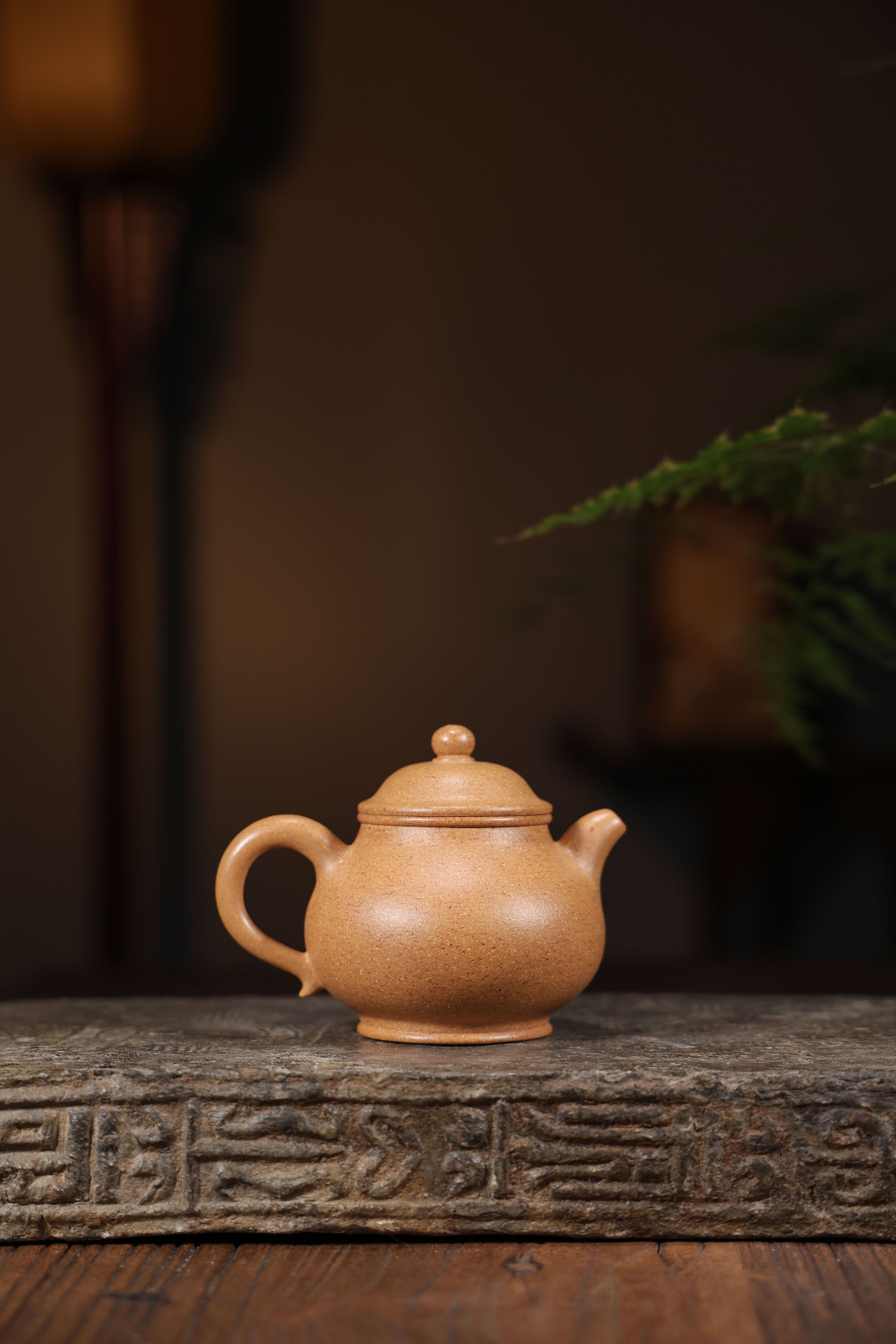
For epochs, collectors have been ensnared by the rare charm of Yixing Zisha carafes. Originating from the locality of Yixing in the mainland, these pots are renowned for their remarkable beauty, limited clay, and innate ability to boost the palate of the concoction. The ground's distinctive mulberry hue, combined with the skillful workmanship of Yixing's artisans, creates artifacts that are as functional artwork and precious possessions. Collecting a Zisha teapot is more than just an purchase; it's immersing oneself in a rich traditional heritage.
Exploring Yixing Teapots: Background, Varieties, and Value
Yixing teapots are a notable background deeply intertwined with Chinese culture. Developing in the Yixing region of Jiangsu province, these clay vessels exhibit a heritage connecting back to the Ming Dynasty. Preliminary examples were functional, but amidst centuries, Yixing teapot manufacturing evolved into an esteemed art form. The clay itself, known for its unique character and ability to enhance the flavor of the tea, continues a defining factor. Yixing teapots surface in various models, broadly categorized by shape: Timeless such as Zhuni (purple clay) and Bisheng, as well as unique designs. The significance of a Yixing teapot turns on several factors, including the potter’s renown, the age of the piece, the rarity of the clay, and its aesthetic quality.- History: Prime eras
- Soil: Multiple varieties
- Appraisal Elements: Rarity
Zisha Pot Creation: Methods and Artists
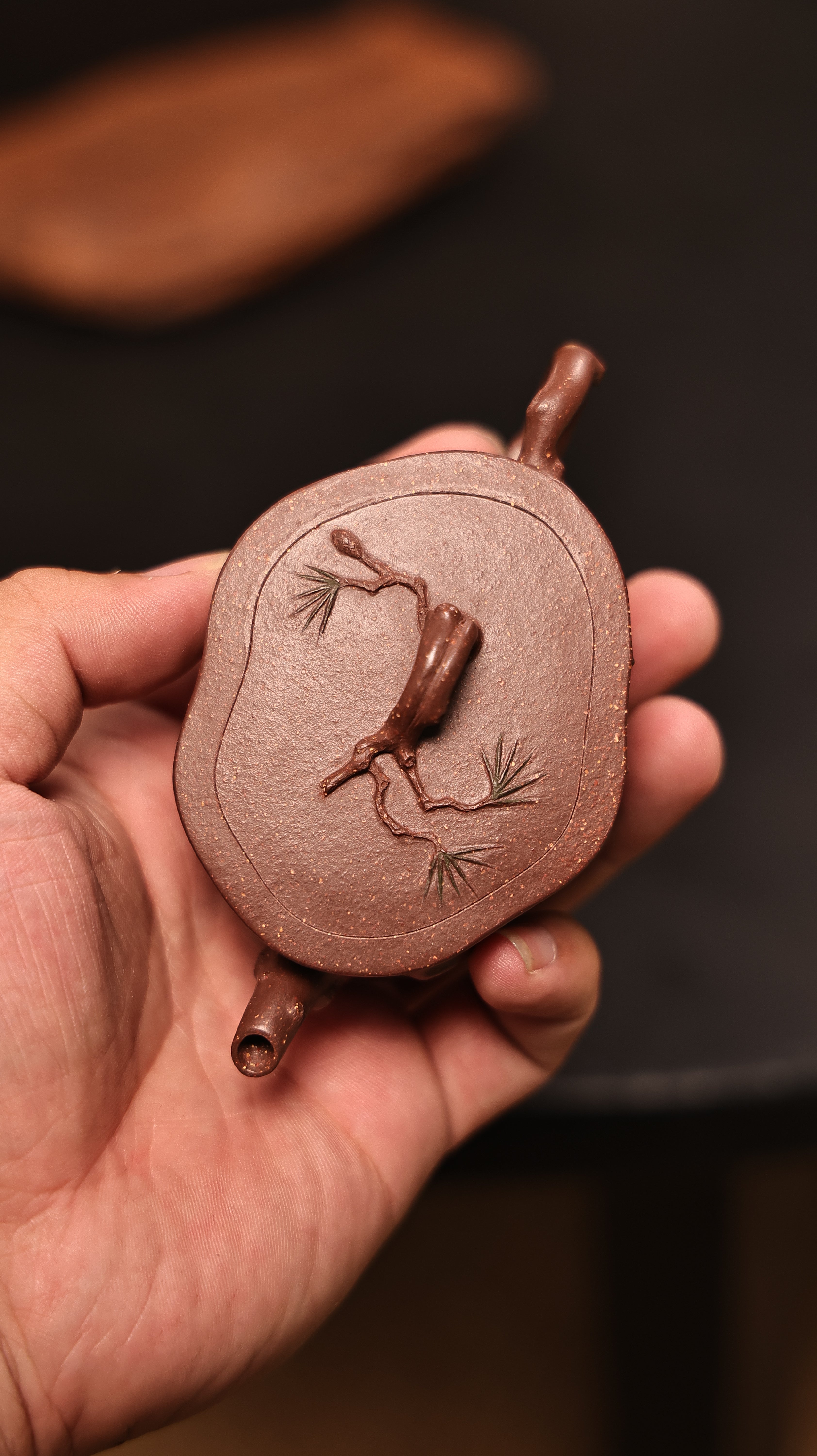
Unique construction of a authentic Zisha teapot is a detailed process, requiring lengthy durations of proficiency. Master artisans meticulously procure the highest quality Zisha clay, a unique earth found only in specific regions of China. Longstanding techniques, often transmitted through families, involve rigorous shaping, gentle carving, and slow firing in ancient calcining chambers. The ultimate teapot isn't merely a object; it's a testament to innovative vision and the profound connection between the artisan and their tradition. Each work showcases the unique touch of the specialist, resulting in a truly unparalleled work of art.
Historical Teapots: Delving into the Deep Practices of Yixing City
Esteemed Yixing, situated in Jiangsu the expanse, Purple Clay Teapot is widely renowned for its exceptional cookware – a tangible representation of centuries of Chinese craft. These aren't merely vessels for infusing tea; they are intricate works of artistry, often reflecting spiritual ideals. A unique purple clay, known as Zisha, possesses distinctive qualities: the clay dense, breathable, and imparts a subtle essence to the tea.
- Plentiful clans have honed the techniques of Yixing jar making, passing down secret methods through families.
- Admirers prize these pieces for their beauty and infrequency.
- Various teapot tells a history, connecting the tea lover to a rich foundation.
Considering Yixing Zisha: Essential Tips
While evaluating collecting Yixing Zisha earthen pots, multiple aspects call for careful inspection. In the first place, the earth's tone is noteworthy; authentic Zisha habitually exhibits a definite reddish-brown shading. In addition, scrutinize the workmanship; sharp elements and a flawless layer manifest competent workmanship. Finally, investigate the potter's background; esteemed names bring increased premiums and often guarantee a stable profit.
Mastering Tea Brewing Using a Zisha Pot
Preparing exquisite tea with a Zisha teapot is more than a simple custom; it's an technique. Zisha clay, acclaimed for its unique physical composition, imparts a soft character to the composed tea that’s often gone with other pots. The proper water temperature is key; typically, subdued than what's used for black tea, to conserve the tea's perfume and palate. Consider thoroughly the tea type; delicate green teas or aged pu-erhs improve from the Zisha’s ability to calm their innate edge. It’s significant to warm the teapot leading up to brewing, and to shun over-steeping. Mastering this method leads to a genuinely exceptional tea phenomenon.
- Realizing Zisha Clay
- Water Warmth & Tea Selection
- Significance of Pre-heating
Caring for Your Famous Container
In order to extend the endurance of your prized Yixing jar, routine upkeep is utterly indispensable. Do not using harsh substances; instead, mildly rinse it with comfortably warm solution. Ward off rapid temperature; please don't put the earthenware directly onto a fiery stand. Periodically, prepare the container by immersing it with choice fermented tea, as this supports to develop its essence and protects the singular qualities of the medium.
From Earth to Cup: The Progression of a Classic Brewing Device
Such creation of a Zisha teapot is a astonishing system, a testament to both the globe's bounty and the mastery of the creator. It opens with the meticulous extraction of the exclusive clay from the crimson Zisha mines close to Yixing. This pure material, known for its exceptional features, is then methodically cleaned and shaped for the early forming. The teapot's design is masterfully formed using a mix of historical forming methods, often incorporating detailed ornaments. Following hardening, the teapot undergoes a vital first firing, accompanied by a dressing stage, which might involve diverse layers of natural Zisha solutions. Finally, a second, and sometimes third, firing at elevated temperatures solidifies the manufacture, revealing its resolved beauty and wonderful characteristics - a authentic masterpiece, set to beautify a tea tradition.
{Yixing Teapots: A Exemplar of a Culture and Admiration
The Yixing region teapots, originating from the well-known Yixing region of Jiangsu province, are far more than mere wares for brewing elixirs; they represent a meaningful aspect of Chinese civilization. Fabricated from distinctive purple clay – zisha – these special teapots are highly appreciated for their ability to amplify the flavor of the tea and, crucially, for their splendor. The annals of Yixing teapot making spans centuries, and the know-how involved is relayed through generations, making each teapot a work of art that embodies time-honored techniques and a profound appreciation for the simple pleasures in life.