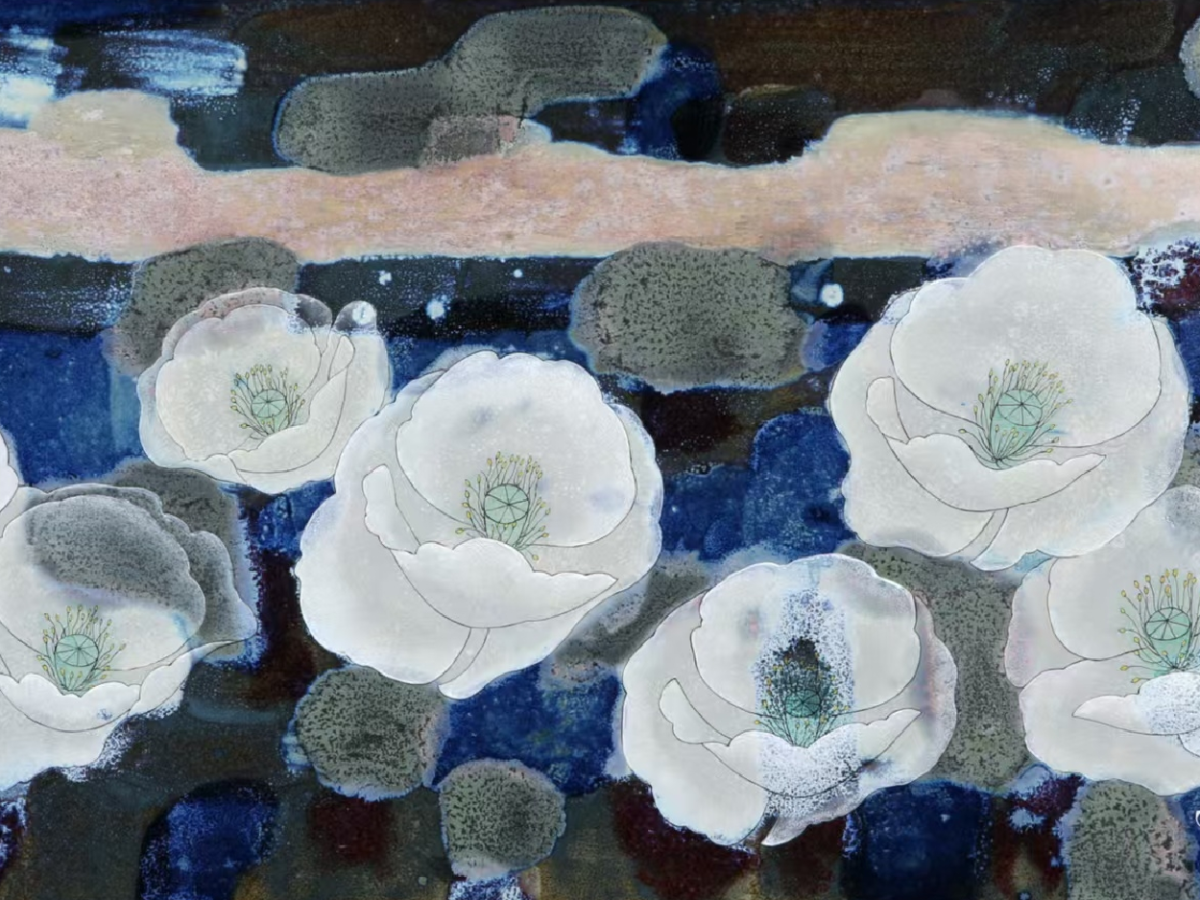
Earthenware sculpture shows a remarkable expression variety with a prolonged past, traveling back multiple of centuries. From ancient containers to present-day installations, the matter offers unique possibilities for creative manifestation. Artisans adopt various techniques – including modeling, wheel rotating, and elevated firing processes – to transform humble mud into captivating three-dimensional sculptures. The robustness of fired pottery also contributes to its status as a truly important part of human tradition.
Studying Clay Board Designs and Processes
The domain of ceramic tablet design offers a ample array of original possibilities. Sculptors often explore a blend of classic and new techniques to form visually eye-catching pieces. These can cover from simple, etched reliefs to complex, multi-layered designs. Typical methods include shape forming, sculpting by hand, glazing – which can involve multiple types like base glaze illustration, overglaze decoration, and sgraffito where designs are revealed by eroding a layer of sheen. Enhanced inquiry into exterior stylings such as cold firing and shimmer glaze can bring about truly exceptional and tailored earthenware tiles.
- Slip Casting - Generating pieces using a design
- Artisanal Molding - Accurately crafting the material
- Glaze Application - Smearing the layer with a shiny finish
- Scratched decoration - Revealing designs by excavating films
Captivating Experiences: Ceramic Art Expositions
The progressing landscape of culture presents exciting modern avenues for viewers, and ceramic art installations are at the apex of this revolution. These aren't just static pieces; they are designed to envelop the participant in a sensory setting. Imagine stepping into a forest of towering, embellished ceramic trees, or navigating a tangle of fragile ceramic vessels. Many sculptors are now incorporating sonics, light, and even essence to enhance the impact of their work. Contemplate the power of a room filled with hundreds of meticulously ceramic items, each telling a legend. Regularly, such installations probe themes of natural world, remembrance, and mankind.
- They installations blur the limits between sculpture and building.
- Witnessing a ceramic art installation can be a deeply profound journey.
- Creators are exploring the boundaries of what is feasible with clay.
The Elegance of the Brick Urn: Significance and Design
The porcelain vase represents a admirable union of functionality and decorative appeal. Historically, these vessels served a minimalist assignment in containing plants, but their maturation has transformed them into highly valued works of craft. Each object showcases the know-how of the craftsman, demonstrating how structure can be as meaningful as function. The precise shaping, the individual glazes, and the aggregate presence of a finely-produced jar can raise a space, offering both elegance and a modest reminder of the maker’s hand.
Modern Clay Creation : Testing Boundaries
Modern earthenware creation represents a fascinating transformation from ancestral practices. Creators are boldly exploring with novel systems, mixing the lines between ceramics and diverse visual realms. From massive installations to complex miniature pieces, mentioned works scrutinize themes of character while concomitantly redefining the essence of what pottery can represent. The outcome is a vibrant field of artistic representation.
Earthenware Inscription: Maintaining Tradition in Ceramic
Pottery plaques offer a distinctive method for documenting significant events and people. Unlike traditional metal or stone markers, these enduring pieces of production are formed from treated clay, creating a palpable link to the preceding Travel Cup days. Generally, they showcase intricate sculptures or vividly colored imagery, narrating stories that might otherwise be forgotten. An technique, rooted in ancient folk, provides a captivating and durable way to acknowledge our collective chronicle.
- The mentioned can be set in open spaces.
- Countless are now deemed historical artifacts.
Brick Art Arrangements: Reimagining Environments
Pottery art installations are flourishing a strong medium for sculptors to reimagine public and private sites. These immersive creations frequently involve expansive clay designs that hold viewers, influencing their insight of the assembled environment. By employing diverse tactics like modeled construction and sophisticated firing methods, ceramic artists develop truly remarkable experiences, overlapping the edges between art and building. The effect is often a touching change that strengthens the decorative quality of the area and stimulates conversation.
Inception Spinning Device to Delight: The Technique of the Stoneware Container
The journey of a porcelain container from a simple lump of dirt to a elegant work of expression is a testament to human creativity. Customarily, the process starts with the potter’s spin wheel, where the skilled artisan builds the circling material into a cylindrical configuration. This first period demands skilfulness and a trained eye, followed by a delicate solidifying period. Once partially baked, the jar is ready for detail work, which may feature coating intricate elements, etching detailed depictions, or executing a assortment of enamels. The closing firing process then modifies the product into a durable and eye-catching pot, a tangible manifestation of the builder's vision.
Working with Stoneware: A Course to Brick Craft
Investigating the field of porcelain production begins with grasping the essentials of forming with terracotta. A process requires methodically applying and excising stuff to generate three-dimensional objects. Whether you're a beginner or a experienced craftsperson, testing with diverse classes of stoneware – specifically clay – will advance you identify your special manner. After all, brick forming is a valuable undertaking that connects dexterous know-how with expressive presentation.